AGP Executive Report
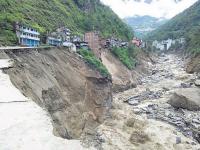
Last update: 4 hours agoHimalayan Climate Risk: New research warns the Himalayas are nearing a tipping point as glaciers melt faster than a decade ago, threatening “peak water” and leaving unstable glacial lakes that can trigger cascading floods—an urgent backdrop to Nepal’s Aug 26 disaster. Flood Monitoring & Warnings: A government report says key hydrological stations were swept away in the Bhotekoshi–Trishuli floods, crippling continuous river tracking; authorities have since installed a CCTV-based monitoring system to improve early warnings. Rescue Inside Chilime Tunnel: Joint Indian and Nepali teams are still clearing debris inside the Chilime Hydropower tunnel in Rasuwa, using excavators, loaders and mud pumps as water inflow and boulders slow progress. Power for Recovery: India has approved electricity exports to Nepal for up to 18 hours daily (through Dec 31) to ease shortages after flood damage to hydropower, reinforcing energy cooperation while recovery continues. Climate Justice Debate: Commentaries and reporting keep pushing the same message: Nepal’s losses show the limits of adaptation and the need for fair climate finance and compensation for countries hit hardest by a crisis they did little to cause.
Note: AI summary from news headlines; neutral sources weighted more to help reduce bias in the result. Feedback is welcome. Please let us know if you have any comments or suggestions about the AGP Executive Report.
 Perspectify News